Our Heritage
With vigor and resolve we embrace our four-fold heritage:
The 16th-Century Protestant Reformation, and
Our heritage of earnestly striving to worship and serve in a manner marked by joyful sobriety, reverent enthusiasm, humble boldness and dignified simplicity.
The 18th-Century spirit of Methodism in its fervent preaching of repentance, regeneration and holiness, yet tolerance in non-essentials,
The 20th-Century Fundamentalist, separatist heritage,
Church life in mid-20th century America was torn by a doctrinal battle: the Fundamentalist-Modernist Controversy. Leaders of the major Protestant denominations assigned diminished importance to historic Christian doctrines, some blatantly denying central truths of Christianity. In the previous century, these denials had become fashionable in seminaries. By the mid-1900s, they were evident in preaching and literature of multiple denominations.
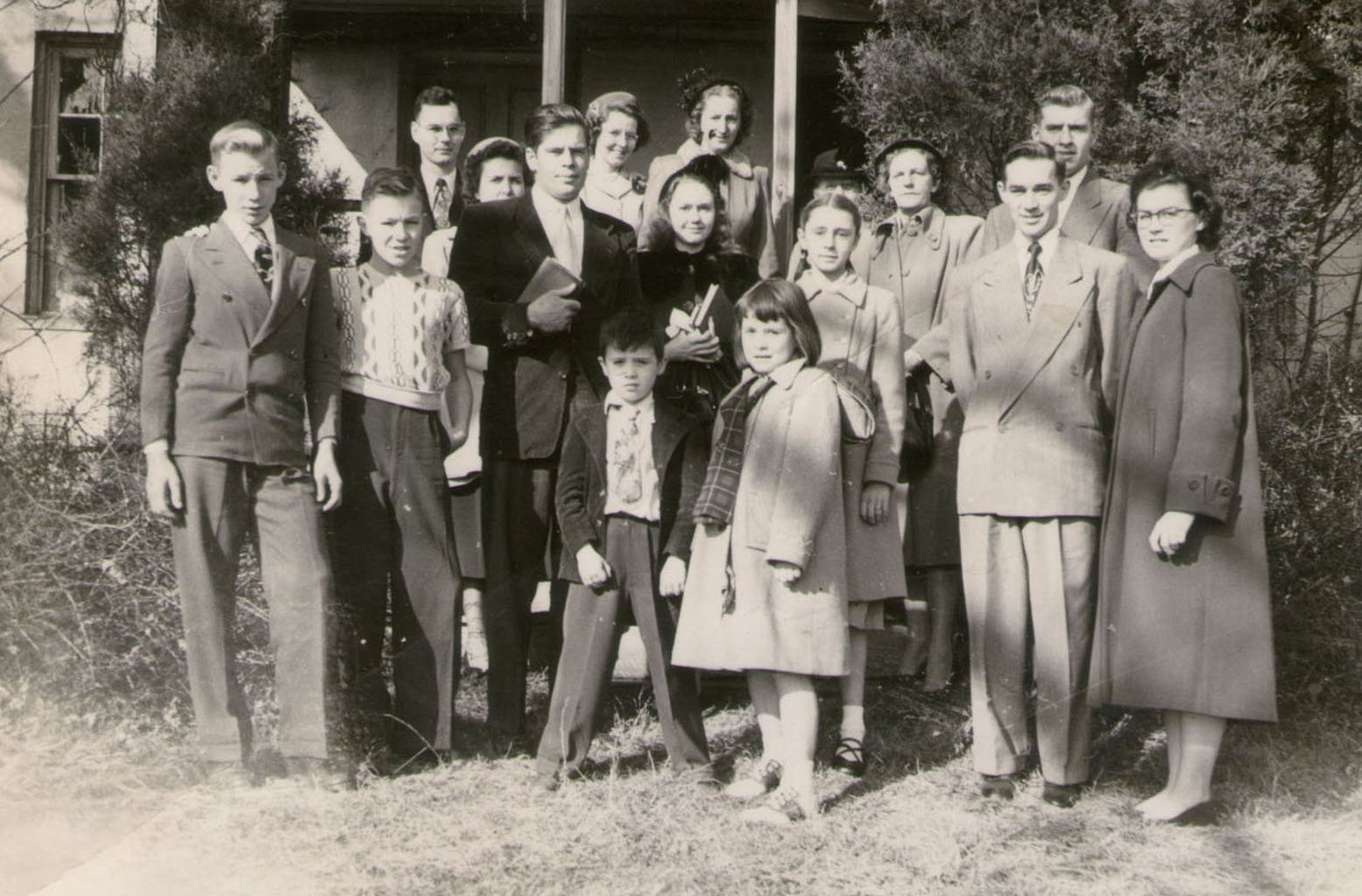
On June 19, 1952, a small group from the farm community of northern Harford County, MD, formalized their convictions by chartering the Evangelical Methodist Church of Dublin. Led by Pastor Donald McKnight (1924–1991), they were motivated by concern for historic, biblical orthodoxy and for the authority of the Bible as God’s inerrant revelation to man—truths that they perceived their Methodist clergy and churches had forsaken. They acted in accordance with Scripture: “Wherefore come out from among them, and be ye separate, saith the Lord, and touch not the unclean thing; and I will receive you” (II Cor. 6:17).
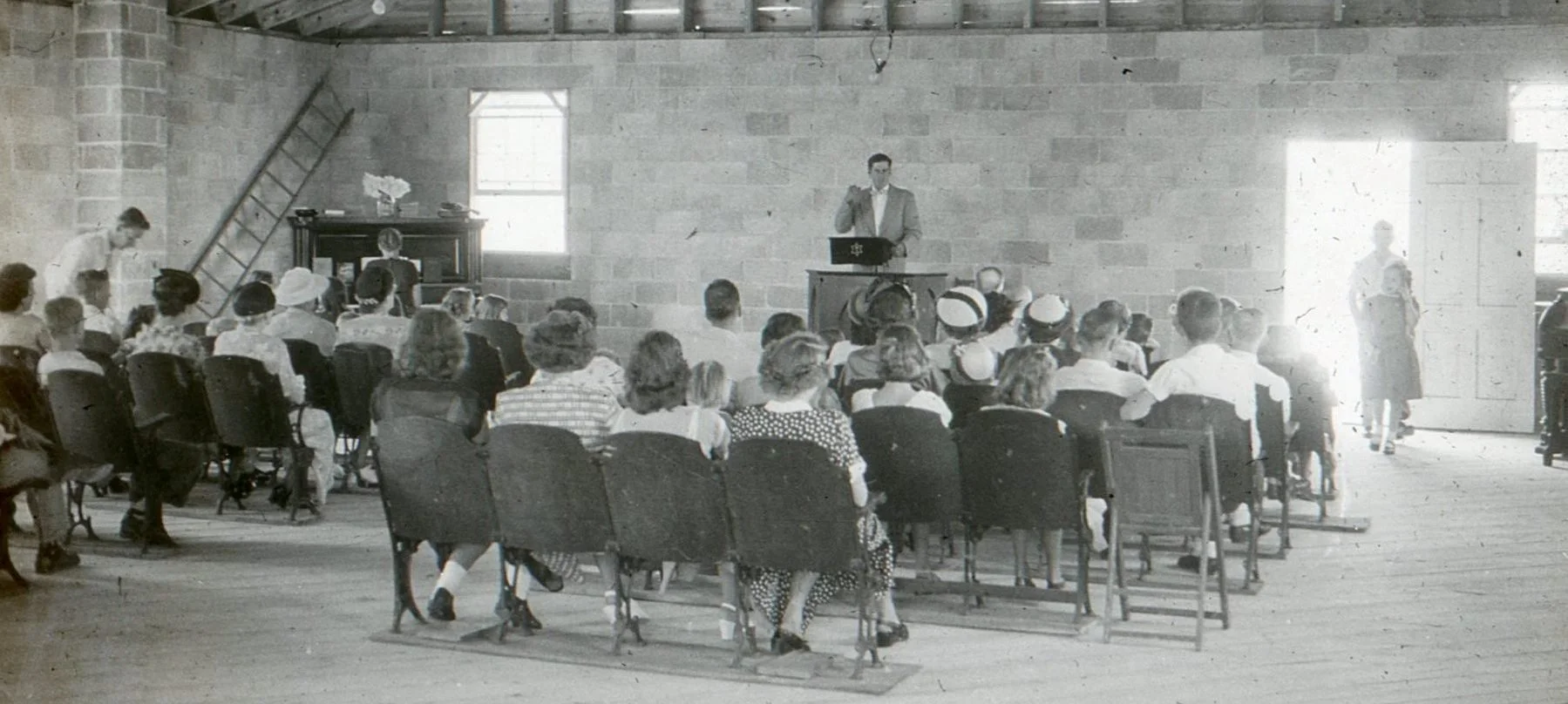
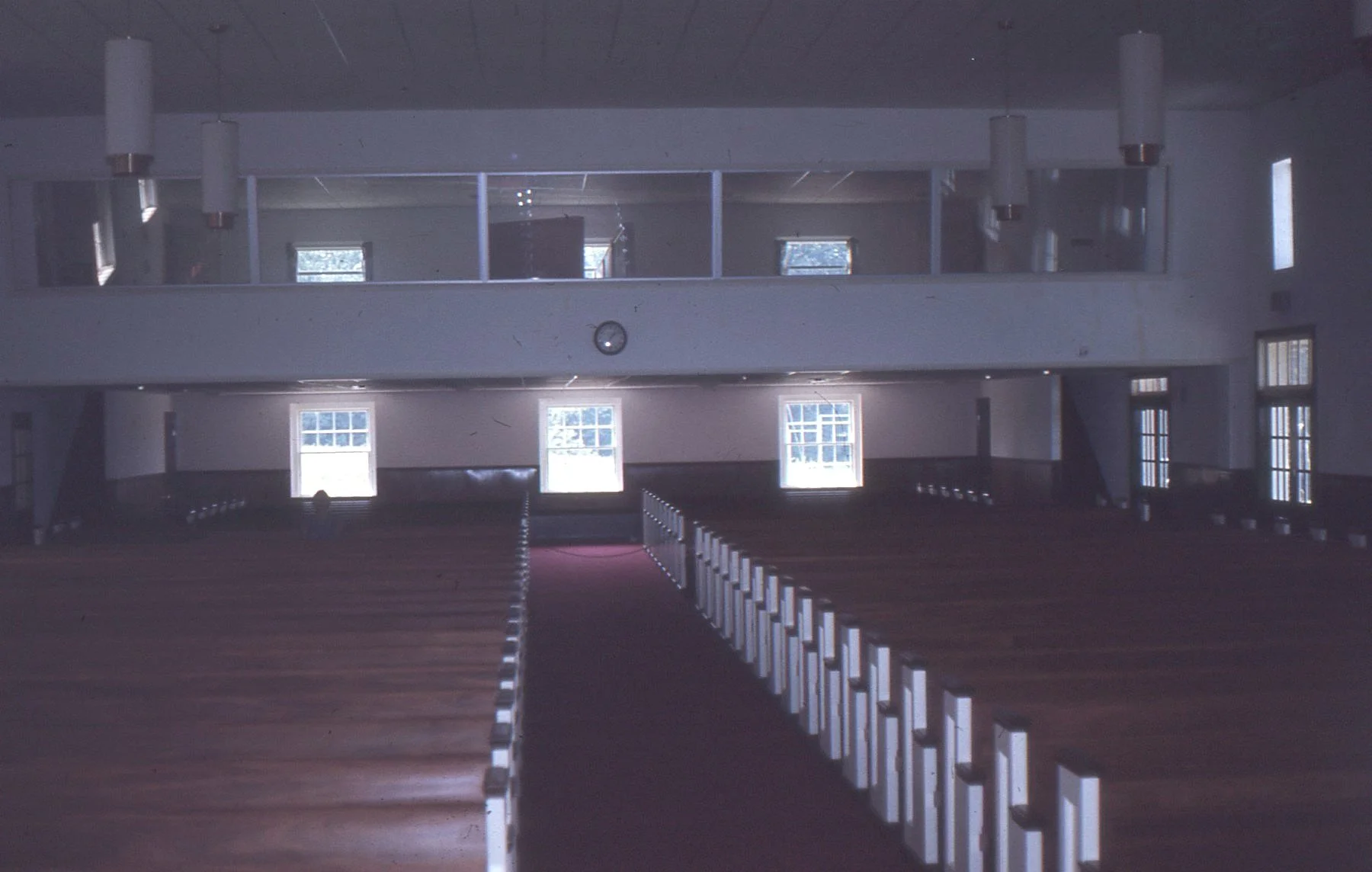
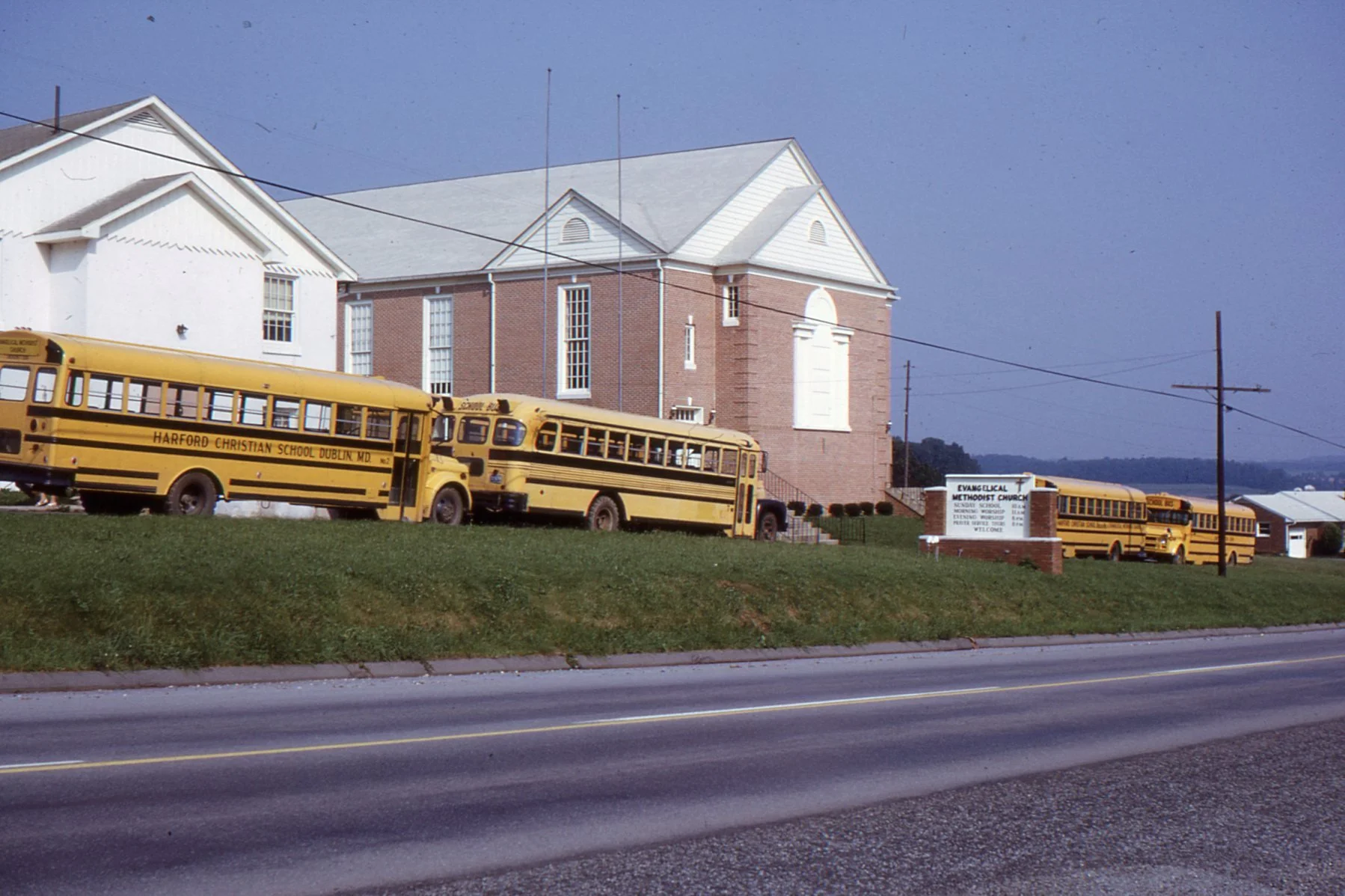
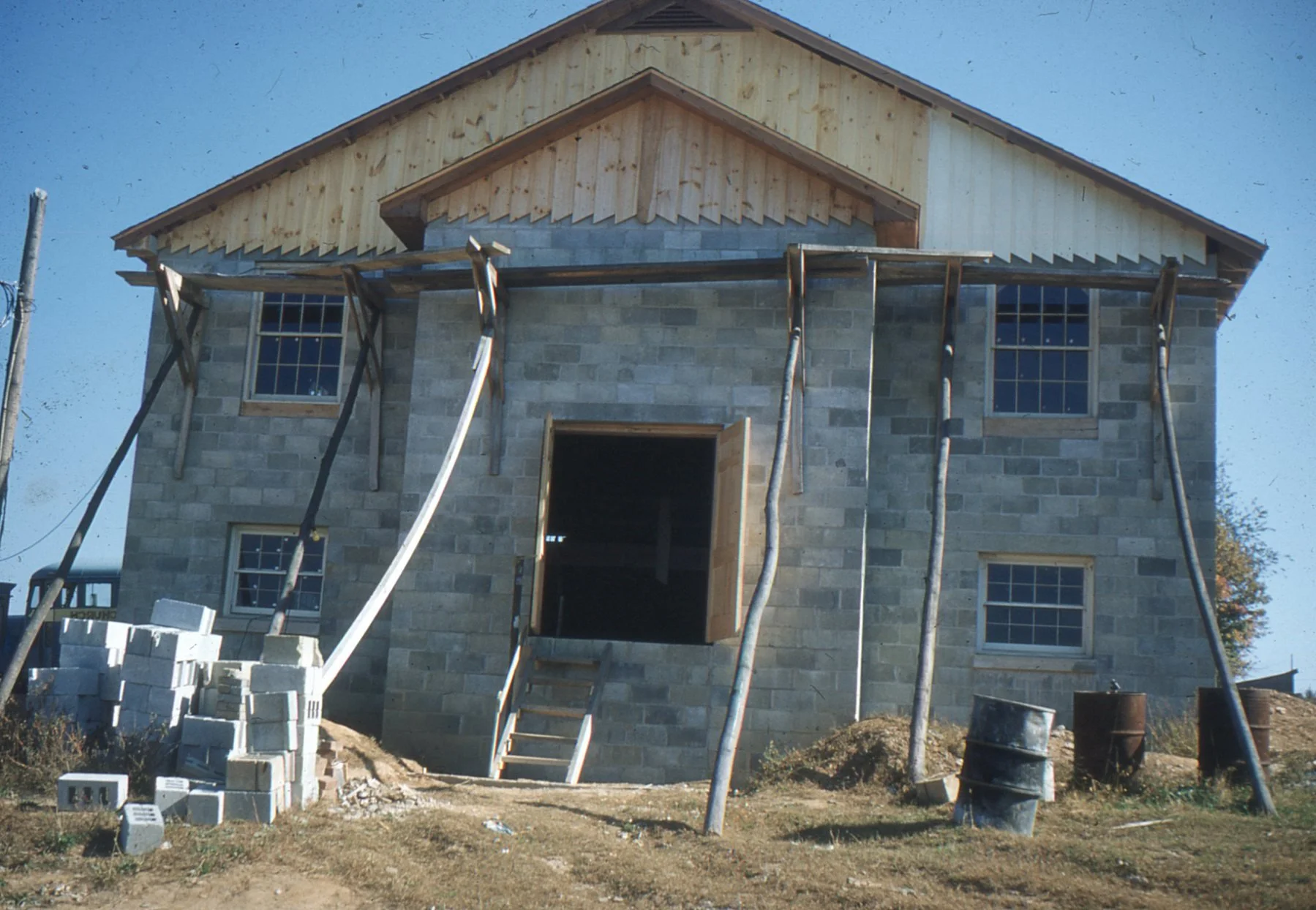
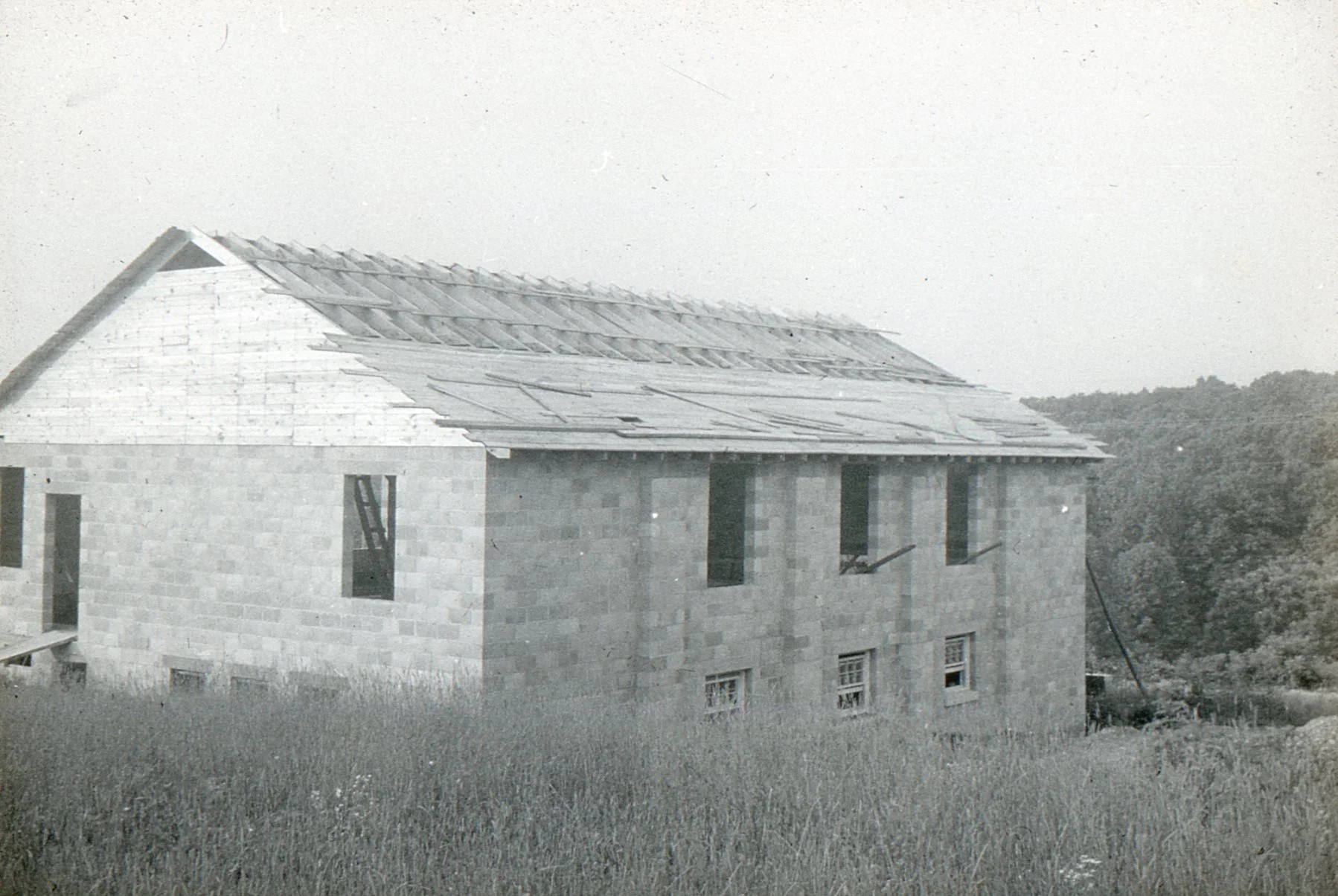
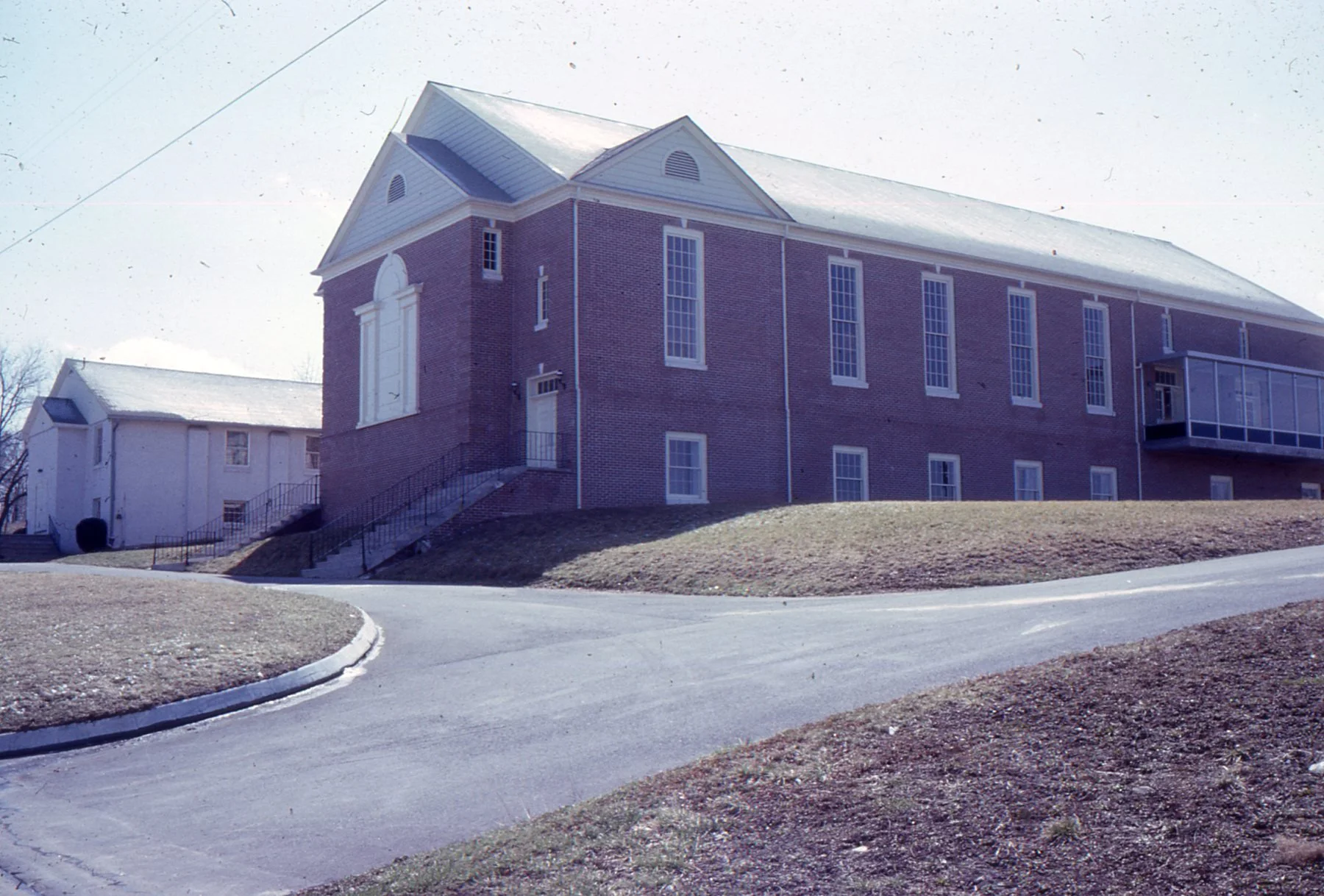
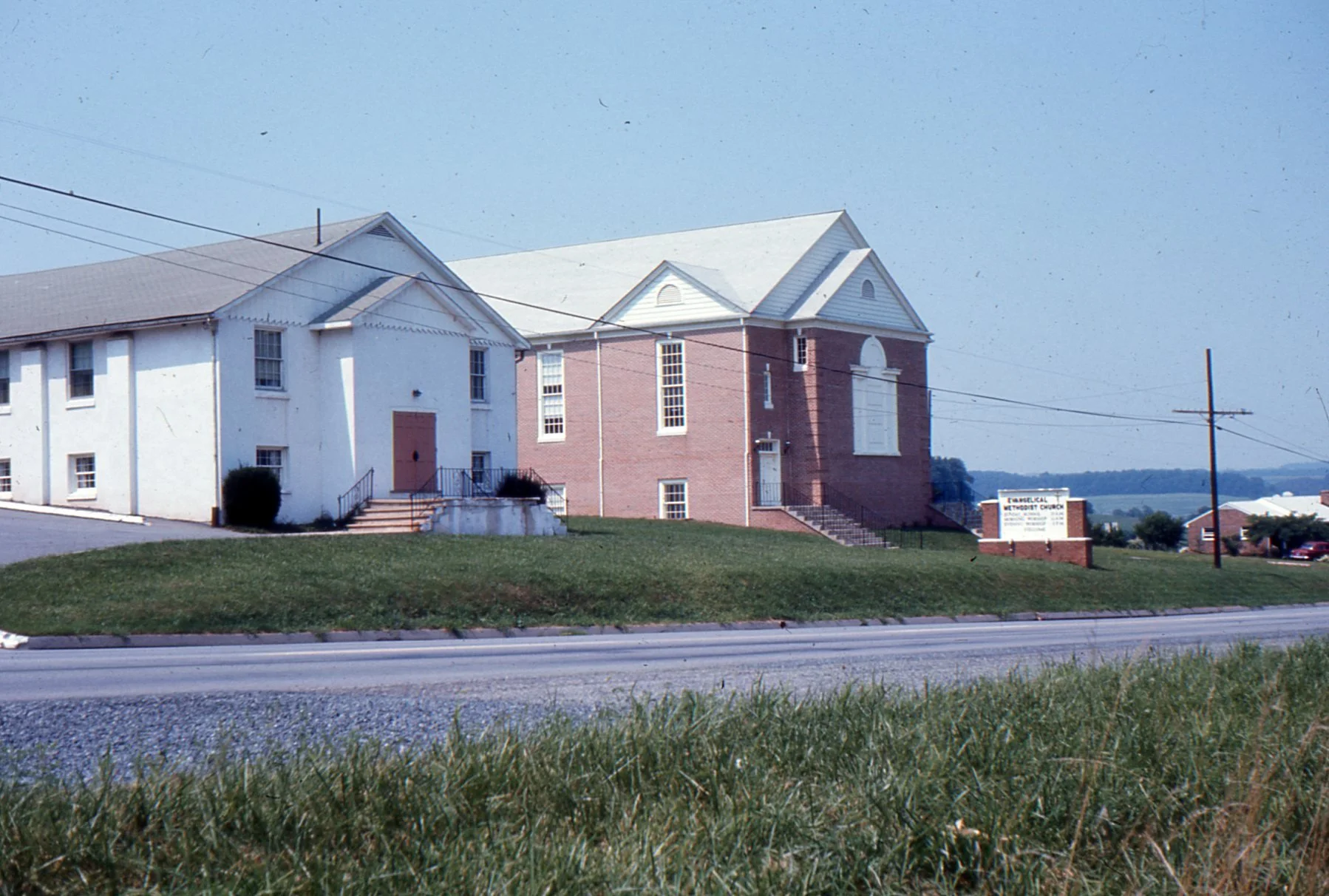
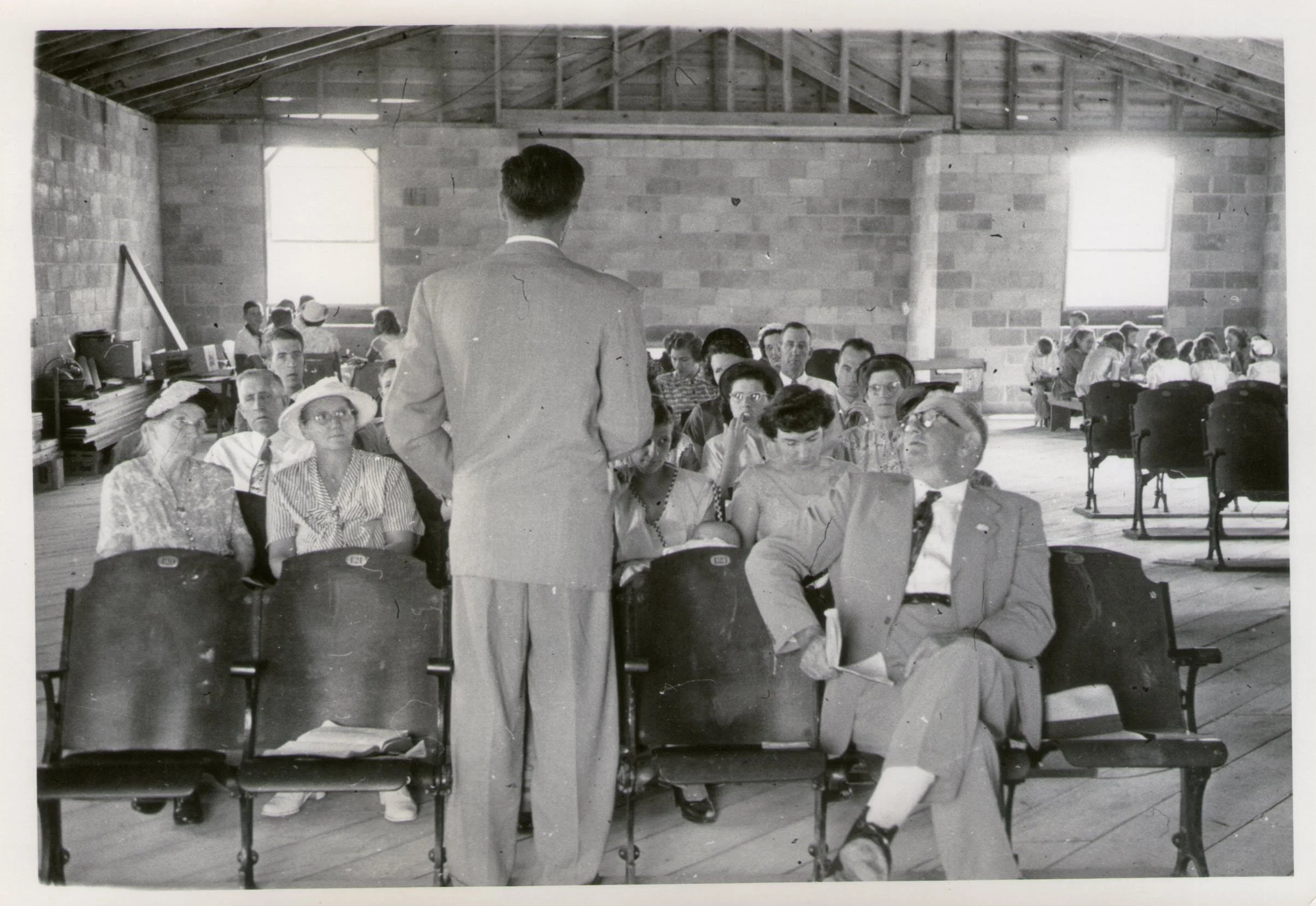
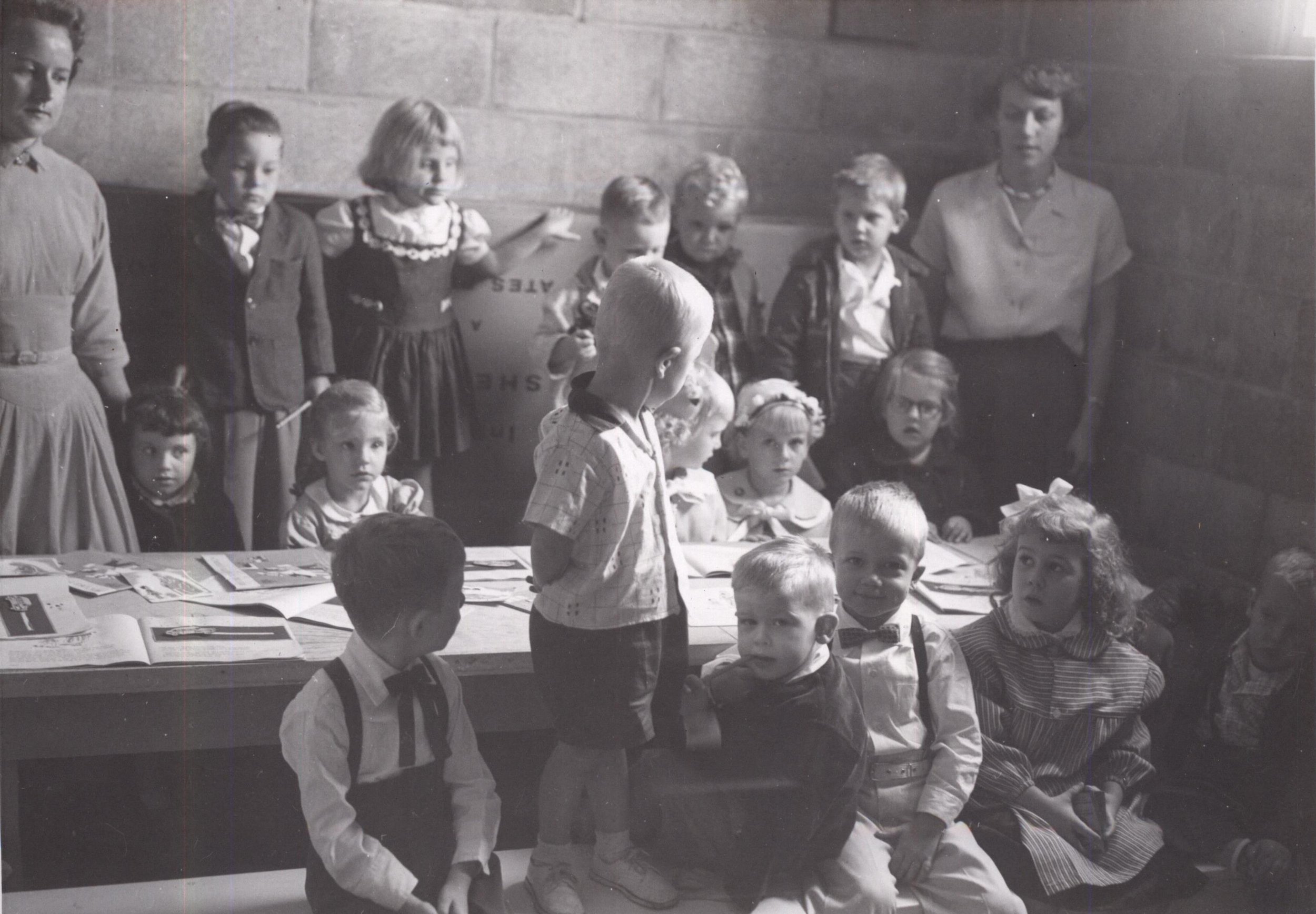
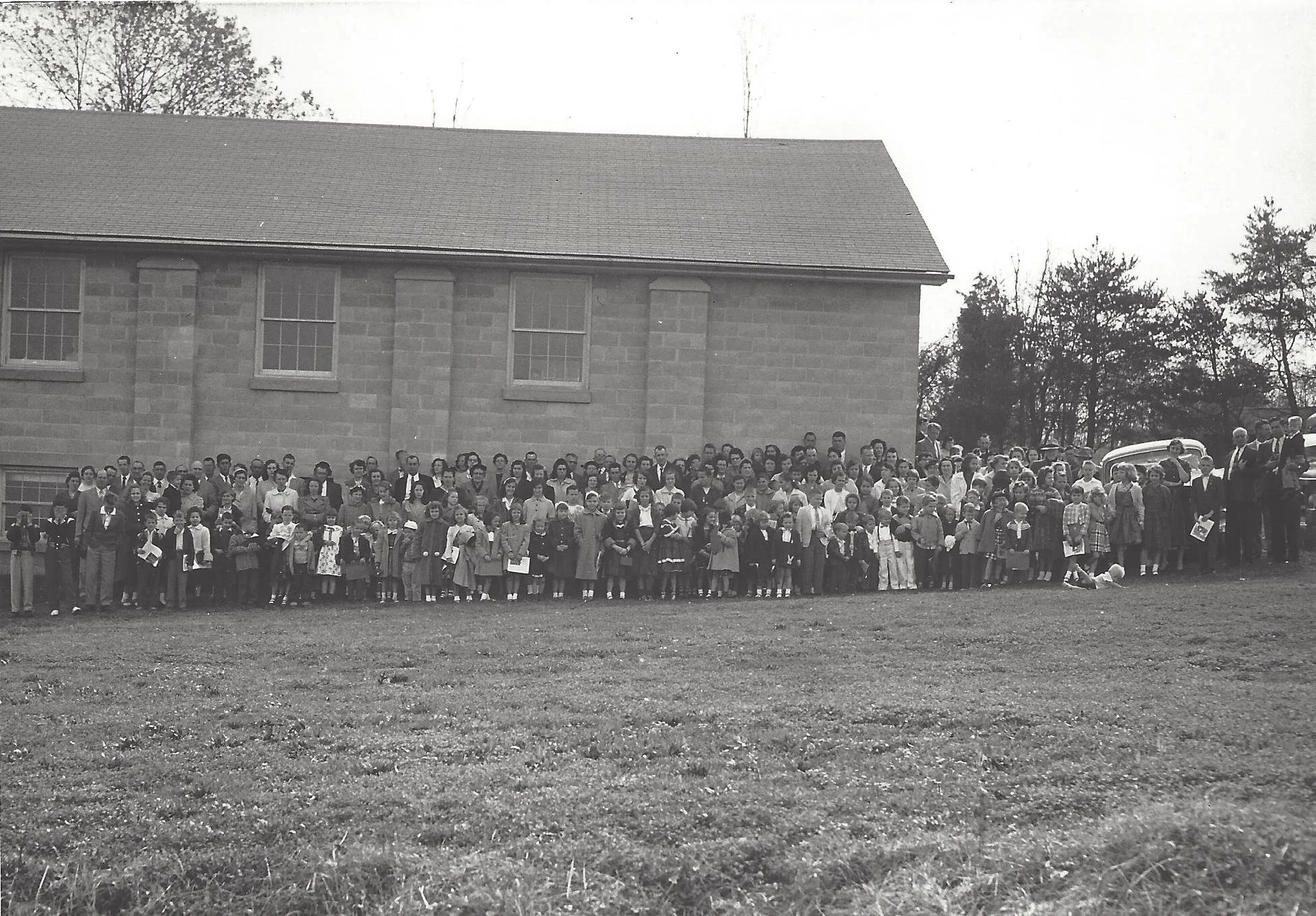
Worshipping in an abandoned farmhouse, they prayed for divine guidance and blessing. Soon they became part of a small Fundamentalist denomination, the Evangelical Methodist Churches of America. In due course, they purchased land and constructed their first building. Within a decade, they had undertaken construction of a second building and were a well-recognized, sometimes scorned, entity in the region.
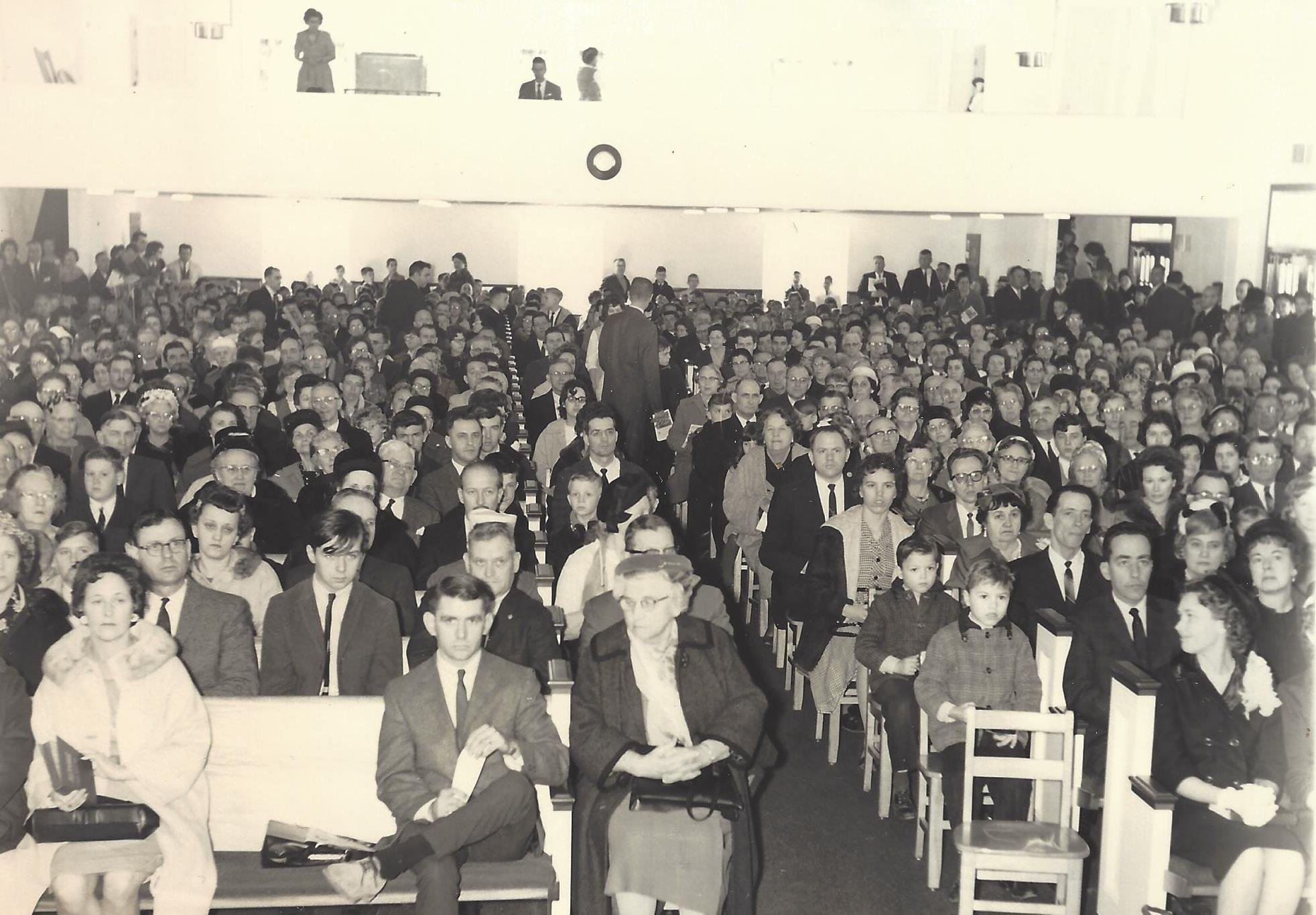
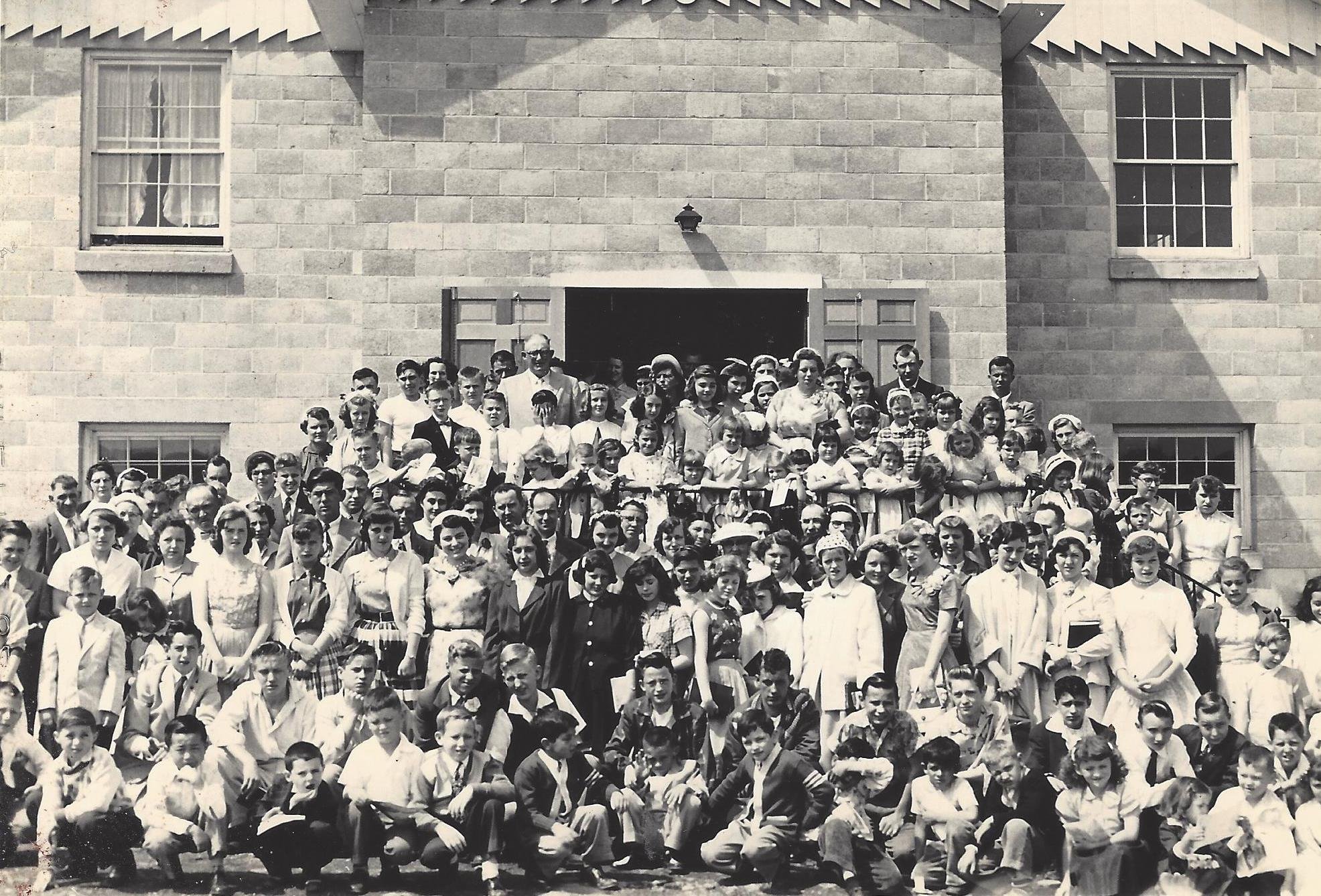
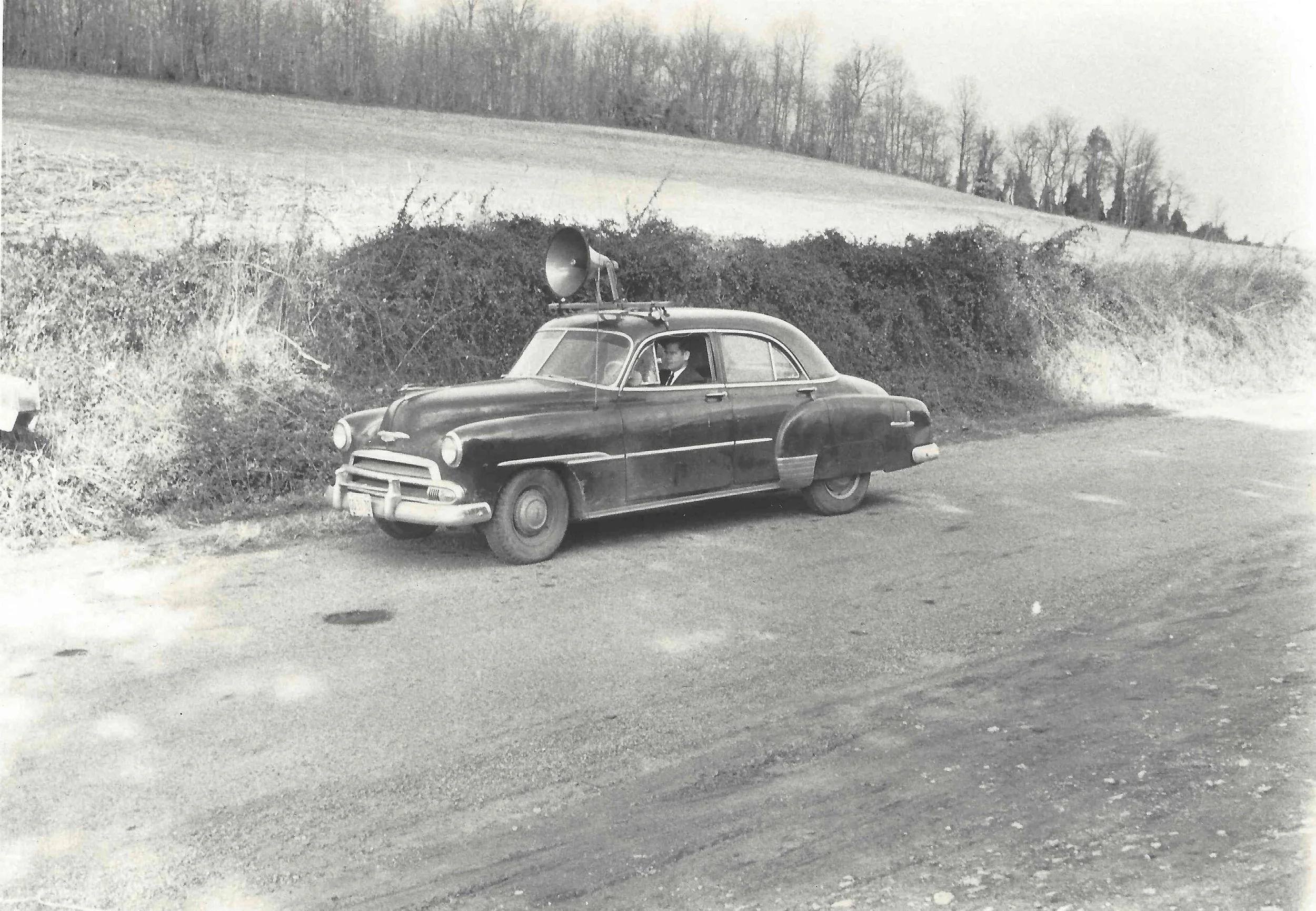
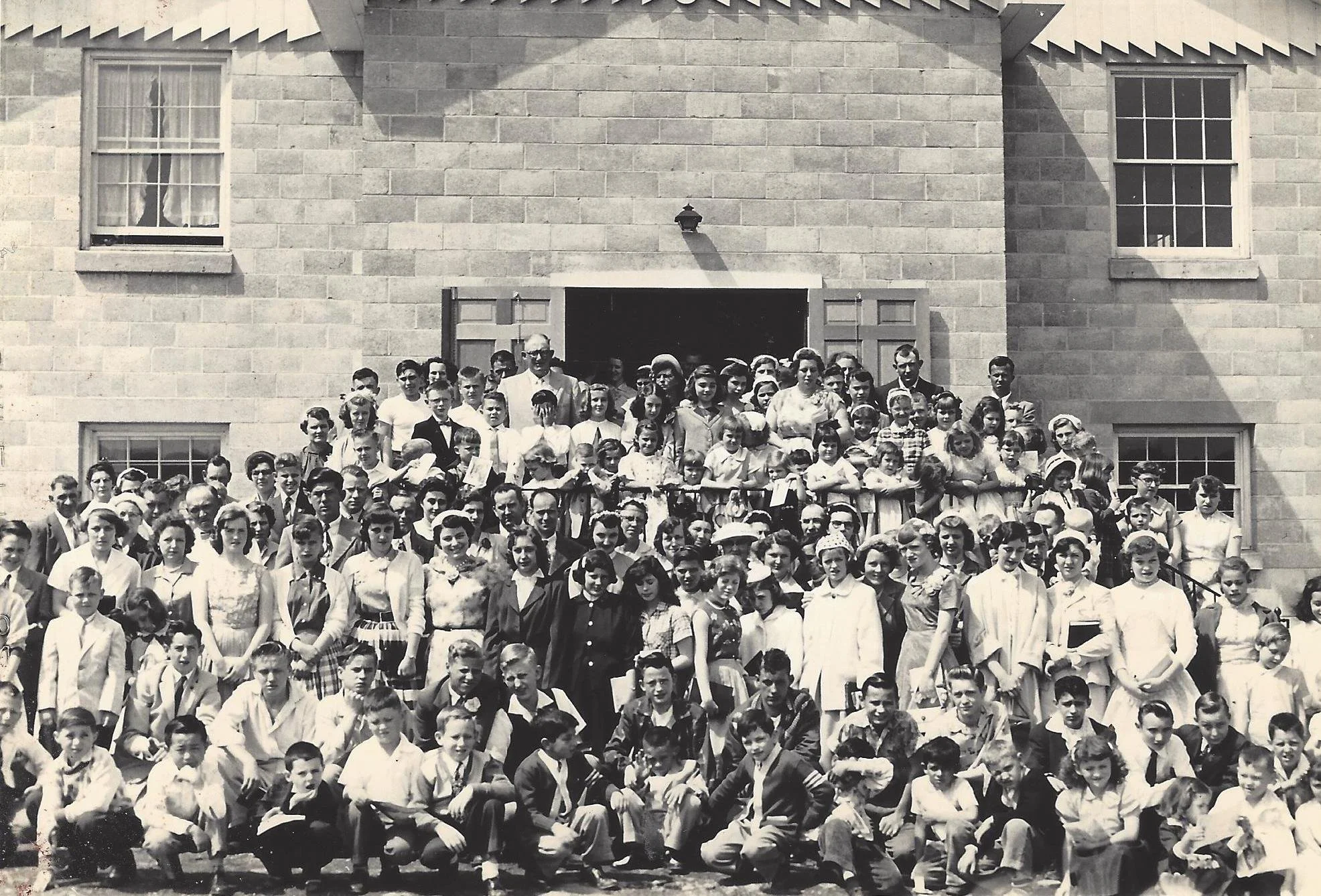
A weekly radio broadcast proclaimed their convictions and progress, as well as the issues that prompted their action. Their testimony attracted families who shared their concerns. From York, Lancaster, Cecil, and Baltimore counties, many came to worship with this growing Harford County assembly. By means of radio and evangelistic crusades, often held in the open air beneath a tent, God blessed, and the congregation continued to grow.
By the mid-1960s, the removal of school-sanctioned Bible reading from state schools compelled this congregation to establish Harford Christian School, which soon became the church’s most visible mission. The church and school continued to attract families from six counties in Maryland and in Pennsylvania, as well as some in Delaware.
In 2013, the congregation found it necessary to terminate denominational affiliation and chose the name Reformation Bible Church (RBC). The name signifies the church’s adherence to Scripture as reaffirmed in the Protestant Reformation. To that end, the historic London Baptist Confession of Faith of 1689 was adopted as the congregation’s Statement of Faith.